Log in

Sourcing doesn’t start with suppliers, but with the landscapes they depend on.

The next generation of supply chain management is here. Building raw material resilience from the ecosystem up.

40 km CLIMATE CHANGE POLLUTION SHARED WATERSHED SUPPLIER 1 SUPPLIER 2 SUPPLIER 3 EXPOSURE Deforestation EXPOSURE Deforestation EXPOSURE Water stress

A lightweight tool connecting ecological risk in each sourcing geography to the decisions that determine whether supply holds.

See how it works
Minnow platform map: a shared watershed with three suppliers, each tagged with its nature-risk exposure level.

Built for companies highly dependent on nature, and industries with co-exposure across sourcing landscapes

Shared raw materials Shared sourcing geographies
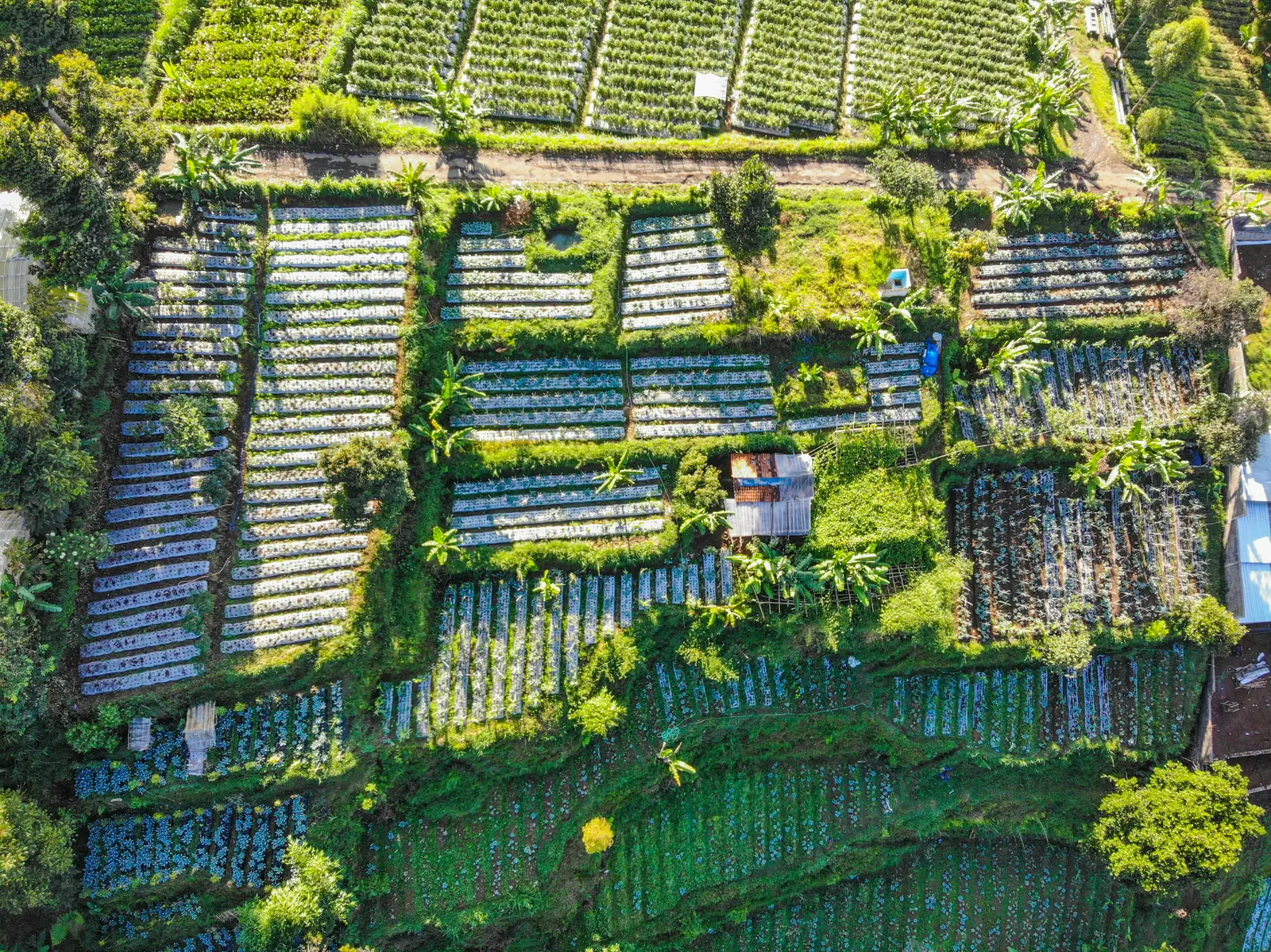
Aerial view of mixed vegetable garden plots and tropical palms, food and beverage supply chain nature risk

Food & Beverage

Ingredient availability hinges on soils, water resources, and ecosystems that are degrading.

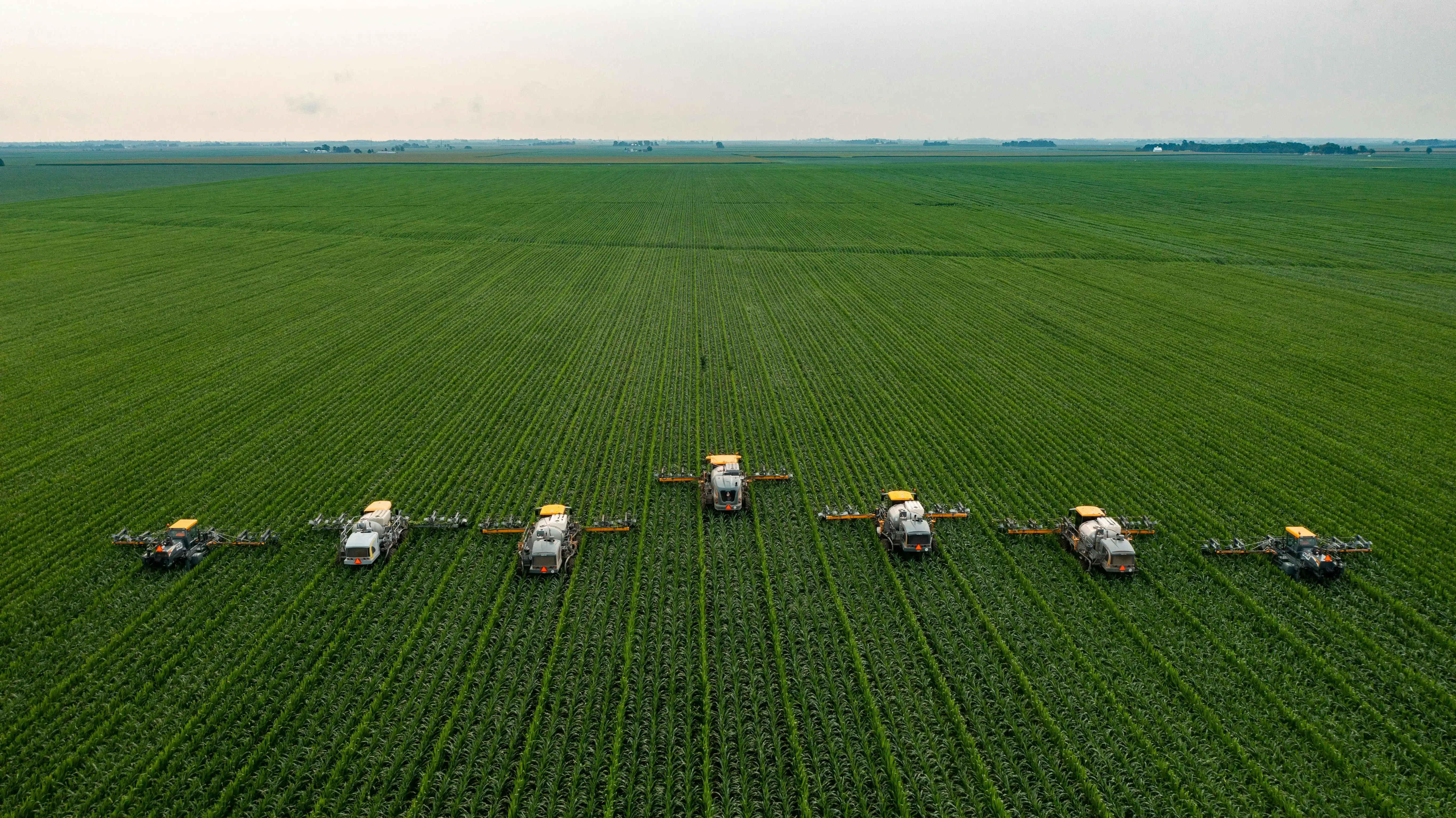
Aerial farmland, agricultural supply chain biodiversity and nature risk

Agriculture

Productive land relies on ecological relationships that are eroding under current intensive practices.

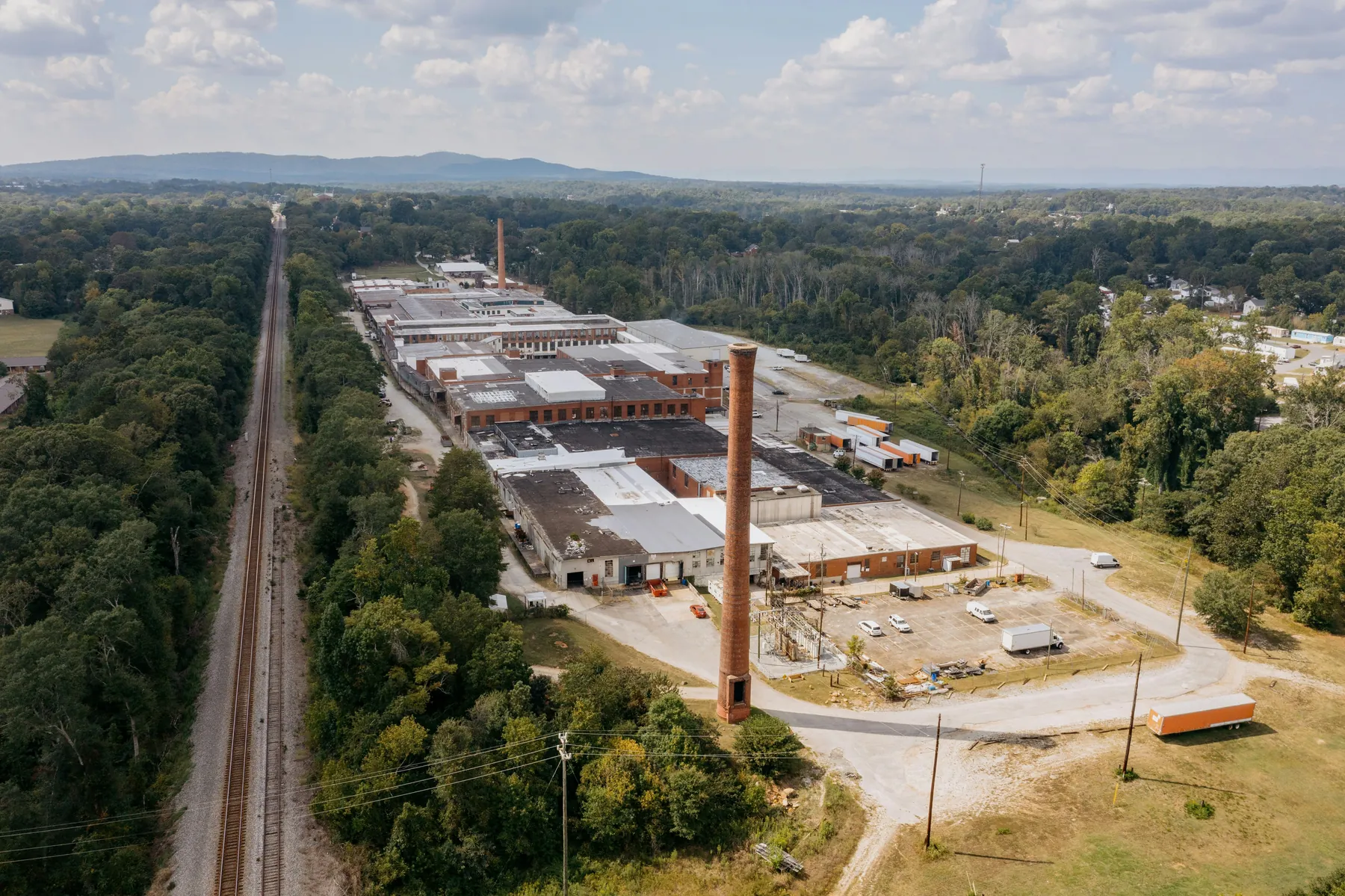
Aerial view of an industrial manufacturing facility, pharmaceutical supply chain nature risk

Pharmaceuticals

Many medications are derived from natural compounds sourced from landscapes under accelerating pressure.

Nature is already an input to your supply chain. Minnow makes it one you can manage.

CURRENT SOURCING PROCESS WITH MINNOW DISRUPTION DRIVER Water scarcity MARGINS ERODING EARLY WARNINGS SIGNAL Water stress SCOPE 4 sites, 1 basin EXPOSURE Moderate, rising MARGINS PROTECTED

See how Minnow builds out a flexible new approach